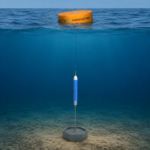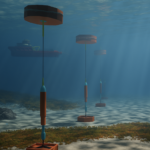
Wave energy technology is constantly affected by the movement of the sea. A new report from the INFINITY project presents a model that shows how key parts of the system are affected by loads over time. The model will be used as the project moves forward with testing and further development.
– This model gives us a clearer basis for the next steps in INFINITY. It helps us understand how critical components are affected during operation and how we can use that knowledge in the continued work, says Ola Widlund, Project Manager for INFINITY at RISE.
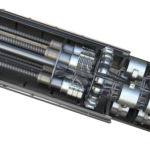
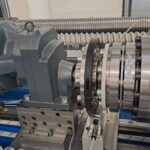
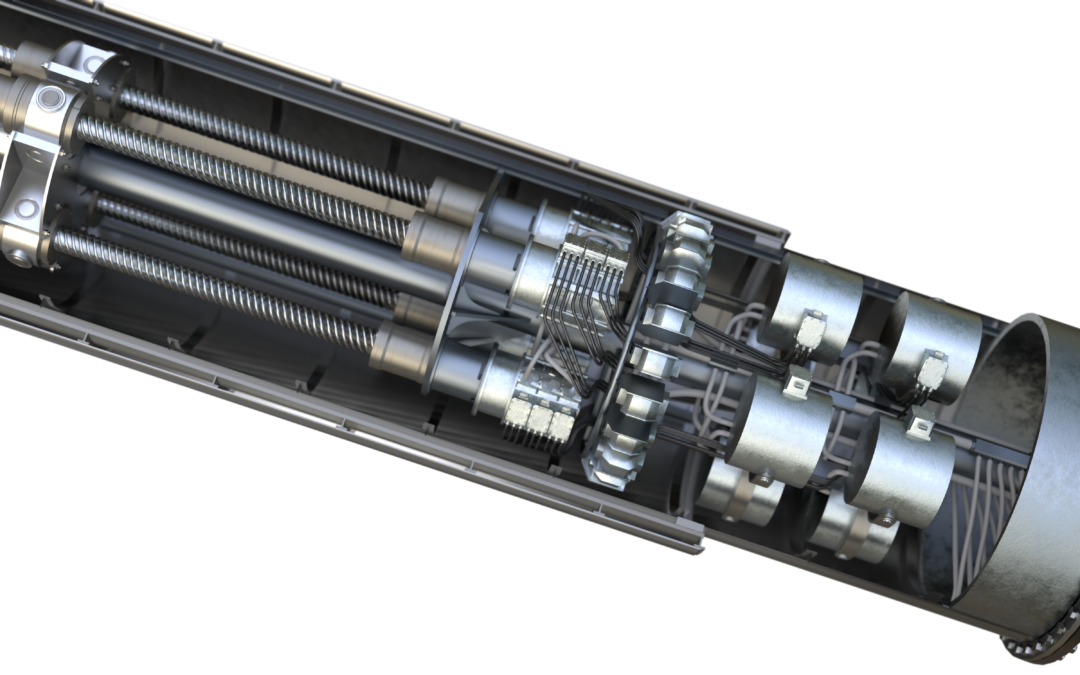
The report, Deliverable 5.1: Life Model for Critical Components, focuses on ball screws in the InfinityWEC power take-off system. The ball screws help convert the movement of waves into electricity. Since they are exposed to varying loads, the project needs to understand how they are affected during operation.
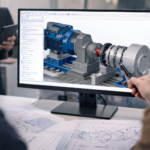
The model is based on established ISO standards and has been adapted to the INFINITY project. By using information about force and movement, the model can give a picture of how the components are affected over time.
In the long term, this knowledge can also be used to control the system in a gentler way. This could mean reducing the load during periods when the components are most affected, while still keeping energy production in focus.
The report will also support the work to follow the condition of the components during operation and plan future service. This is important both for increasing reliability and for understanding how the system can become more cost-efficient.
– After one and a half years, it feels good to see how the project is moving forward. We are now starting to bring together knowledge from different parts of the project, and this report is one example of how the work is becoming more concrete, says Ola Widlund.
Read the report: Deliverable 5.1: Life Model for Critical Components (below)